



Welding vs Plasma Cutting: Key Differences, Applications & Costs
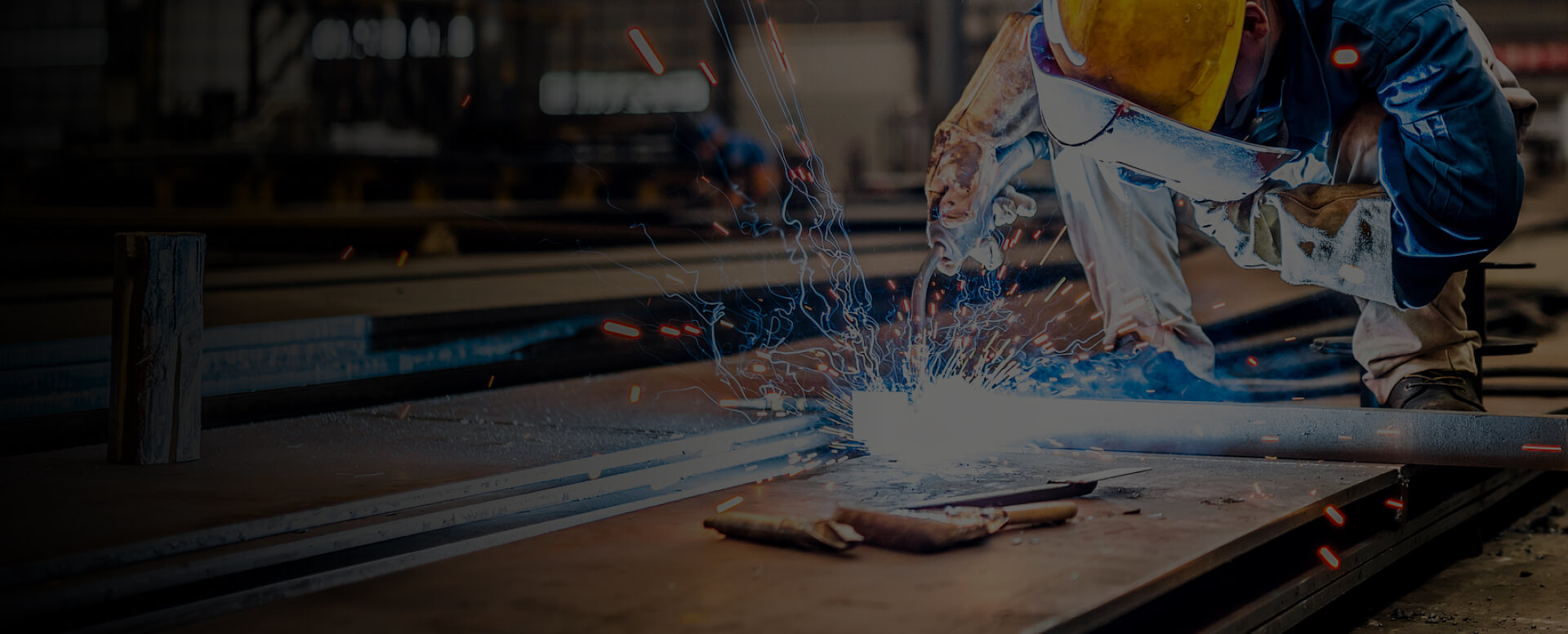
Welding Process: Types, Advantages, and Applications
What is Welding?
Main Types of Welding Processes
MIG Welding: Uses a continuously fed wire electrode; ideal for beginners and production work TIG Welding: Provides precise control for high-quality welds on thin materials Stick Welding: Versatile and portable, suitable for outdoor applications Oxyfuel Welding: Uses gas flames to melt base materials; common in pipe welding
Advantages of Welding
Strong, permanent joints that can last for decades Cost-effective for long-term applications Versatile across various metals and thicknesses Durable connections that maintain material integrity
Plasma Cutting: How It Works and Key Benefits
Plasma Cutting Process
Key Advantages of Plasma Cutting
High cutting speeds - significantly faster than traditional methods Precision cutting with minimal material distortion Cost efficiency - can reduce cutting costs by up to 30% Versatility - handles steel, stainless steel, aluminum, and other metals
Plasma Cutting Applications
Metal fabrication shops for precise component cutting Automotive repair for custom parts and repairs Industrial construction for structural steel components Artistic metalwork for detailed designs
Key Differences: Welding Machines vs Plasma Cutters
Primary Function
Welding equipment joins metals through fusion Plasma cutting systems separate metals through thermal cutting
Equipment Requirements
Welding machines require electrodes/filler material and shielding gas Plasma cutters need compressed gas and specialized torches Cost comparison: Basic welding setups start at while plasma cutting systems begin around 1,500
Skill Requirements
Both processes require trained operators Welding techniques demand joint preparation and fusion control Plasma cutting operation requires precision movement and parameter setting
Plasma Welding: Advanced Techniques and Applications
Micro Plasma Welding (0.1-15 amps)
Applications: Medical devices, electronics, thin-gauge materials Benefits: Extreme precision on materials as thin as 0.05mm Cost: 10,000 for complete systems
Medium-Current Plasma Welding (15-200 amps)
Applications: Aerospace components, automotive parts Benefits: Balanced precision and penetration for 0.1mm-3mm materials Cost: 15,000 for professional equipment
Keyhole Plasma Welding (100-400 amps)
Applications: Heavy fabrication, thick materials up to 8mm Benefits: Deep penetration with minimal distortion Cost: 20,000 for industrial systems
Cost Comparison: Welding vs Plasma Cutting Equipment
Initial Investment
MIG welding: 2,500 for complete setups TIG welding: 5,000 for quality machines Plasma cutting: 4,000 for entry-level systems Advanced plasma welding: 20,000+ for specialized applications
Operating Costs
Consumables: Welding requires electrodes/filler; plasma cutting needs tips and electrodes Gas costs: Both processes require shielding gases (argon, CO2 mixtures) Power consumption: Plasma cutting typically uses more energy
Safety Considerations for Both Processes
Essential Protective Equipment
Auto-darkening helmets for eye protection from arcs Heat-resistant gloves and flame-retardant clothing Respiratory protection for fume management Proper ventilation systems for workspace safety
Process-Specific Hazards
Welding risks: UV exposure, electrical hazards, fume inhalation Plasma cutting dangers: Intense heat, molten metal splatter, noise exposure Both require: Adequate training and emergency procedures
Choosing Between Welding and Plasma Cutting
When to Choose Welding
Joining metals for structural applications Repair work requiring permanent fixes Thin materials needing precise, clean joins Budget-conscious projects with existing welding equipment
When Plasma Cutting is Preferred
Metal cutting requirements for fabrication Complex shapes and detailed patterns Thick materials require efficient cutting Production environments needing speed and precision
Combined Approaches
Plasma cutting for material preparation and shaping Welding for assembly and joining components Hybrid systems that offer both functions in one machine
Related Articles

What is the typical cost of mig welding?
Understanding MIG Welding Costs: A Detailed BreakdownThe cost of MIG welding can vary significantly depending on the scale and complexity of the project. For small DIY tasks, expenses may be relatively low, with basic equipment ranging from 400 to 2000. In contrast, large commercial or industrial pr
Metals Suitable for MIG Welding And Its Challenges
MIG welding, also known as Gas Metal Arc Welding (GMAW), is widely used across industrial and hobby applications due to its versatility and ability to join a variety of metals. However, some metals—including titanium alloys—pose challenges due to their reactive nature and other inherent properties.C

Introduction To Plasma Cutting Torch
Components of a Plasma Cutter TorchA plasma cutting torch consists of several key parts, including the electrode, nozzle, swirl ring, shield, and electrical and gas supply components. Each plays a critical role in ensuring precise and efficient cutting.Core Components1. ElectrodeThe electrode serves

Can A Plasma Cutter Burn Your Skin?
Yes, contact between a plasma cutter and skin will cause severe, immediate burns, resulting in deep tissue damage that requires urgent medical attention.The Science of Plasma Cutting: A Brief OverviewPlasma cutting is a process that utilizes a superheated, high-velocity stream of ionized gas (plasma
What Is The Basic Principle of Tig Welding?
TIG Welding: A Complete Guide to Equipment, Process & TechniquesTIG welding, also known as GTAW (Gas Tungsten Arc Welding), is a precision welding process that uses a non-consumable tungsten electrode to create an arc and shielding gas to protect the weld pool. This guide covers everything you need

Operating A Plasma Cutter: What Safety And Equipment Steps Are Key?
To operate a plasma cutter safely and effectively, you need a proper power source, appropriate safety gear, a well-ventilated workspace, necessary consumables, and a pre-cut checklist. This guide outlines the key requirements for plasma cutting, helping you achieve optimal results.Plasma Cutter Powe