


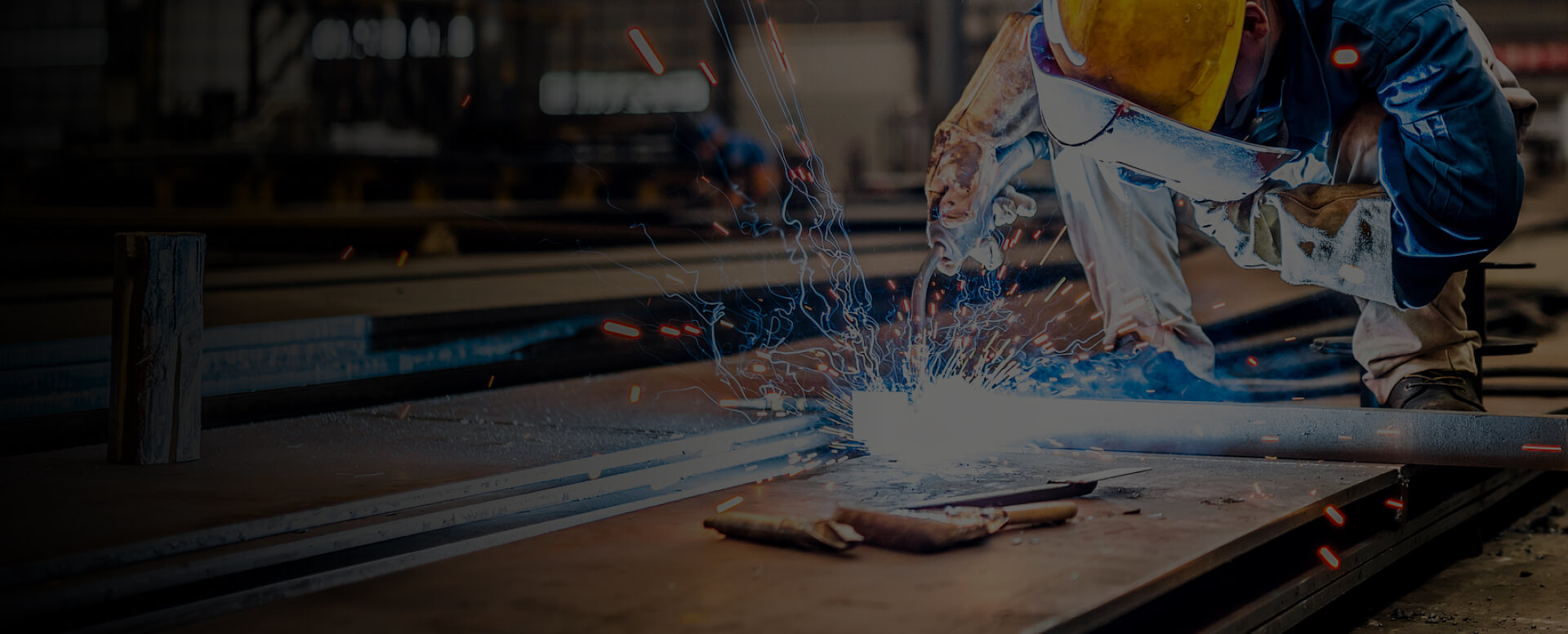

TIG welding is widely recognized for producing precise, clean, and high-quality welds across industries such as aerospace, automotive manufacturing, stainless steel fabrication, pressure vessel production, and precision metalworking. While TIG welding offers superior weld quality, the performance and operating cost of the process largely depend on the condition of the TIG torch consumables.
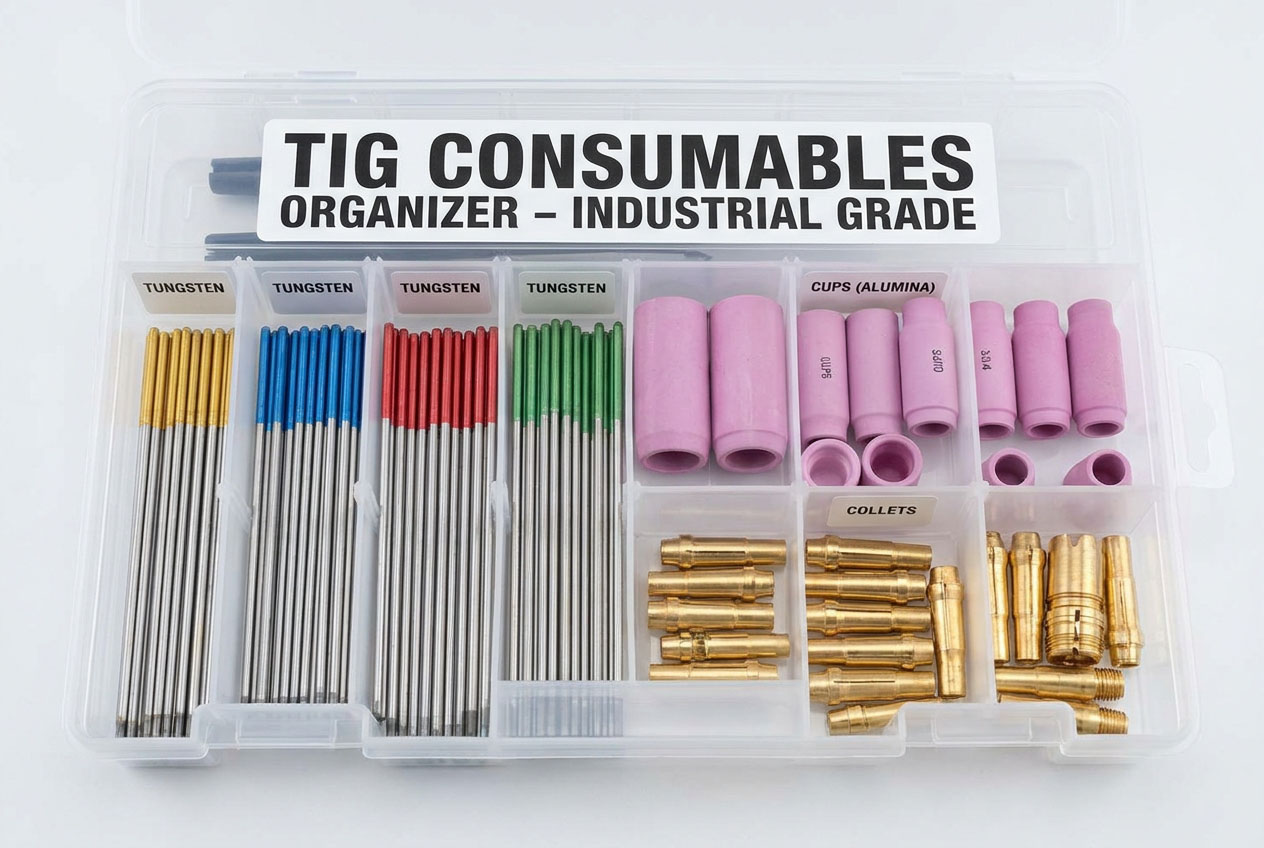
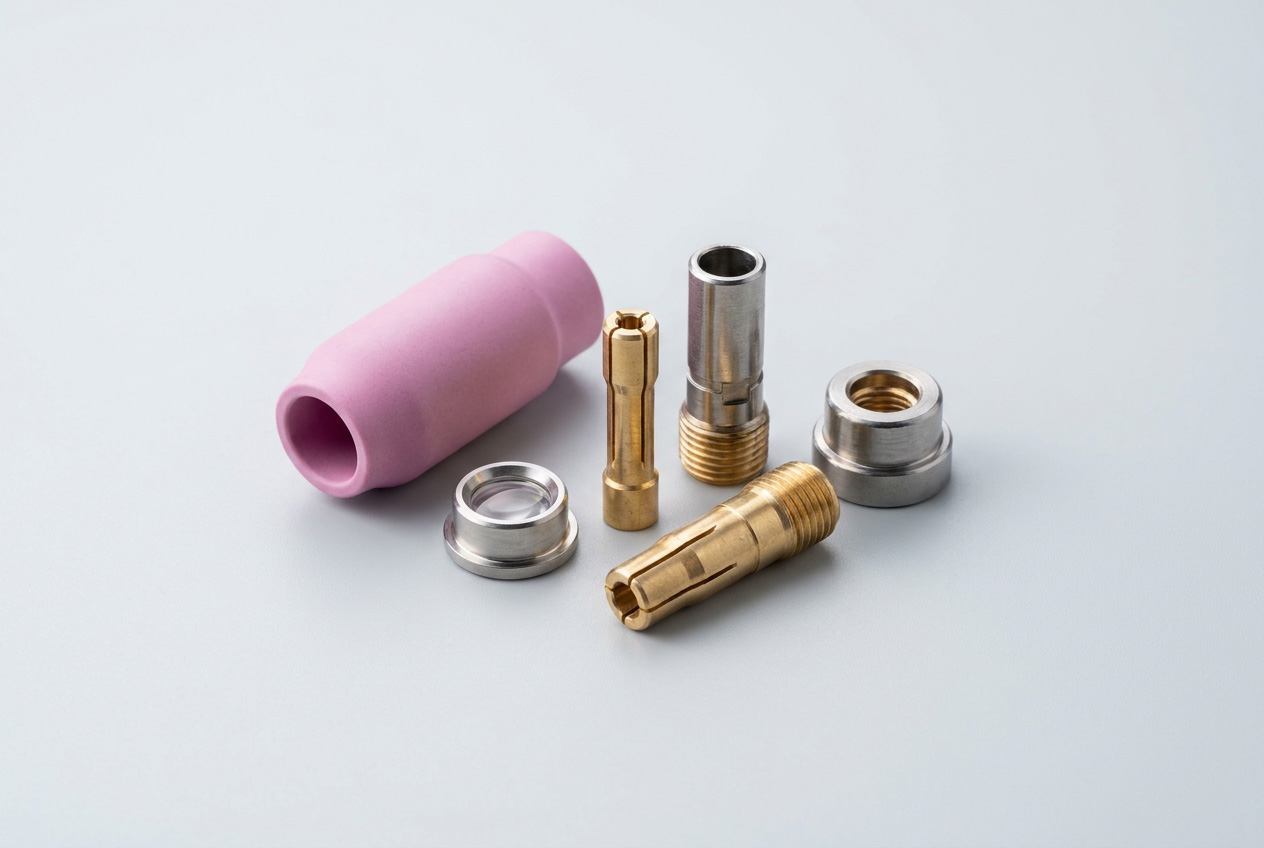
Consumables such as tungsten electrodes, collets, collet bodies, gas lenses, ceramic cups, back caps, and torch insulators are exposed to high temperatures and demanding working environments. When these components wear out prematurely, weld quality declines, downtime increases, and operating costs rise.
For welding professionals, distributors, and manufacturing companies, extending TIG torch consumable life is not only about reducing replacement costs. It is also about improving productivity, maintaining weld consistency, and maximizing return on investment.
This guide explains the most effective strategies to extend TIG torch consumable life while helping welders achieve better performance and lower operating expenses.
Why TIG Torch Consumable Life Matters
Many welders focus primarily on the welding machine and power source, but the consumables inside the TIG torch directly influence arc stability, shielding gas coverage, heat management, and weld quality.
When consumables deteriorate, common problems include:
Unstable arc performance
Poor weld appearance
Tungsten contamination
Excessive gas consumption
Increased downtime
Higher maintenance costs
Reduced welding efficiency
In high-volume production environments, frequent consumable replacement can significantly impact operating costs. Extending consumable lifespan helps reduce interruptions while maintaining consistent welding performance.
Understanding TIG Torch Consumables
Before discussing lifespan extension methods, it is important to understand the key consumable components within a TIG torch.
Tungsten Electrode
The tungsten electrode generates and maintains the welding arc. It is one of the most critical consumables in TIG welding and directly affects arc stability and weld quality.
Collet and Collet Body
These components secure the tungsten electrode inside the torch and provide proper electrical conductivity.
Gas Lens
A gas lens improves shielding gas flow by creating a smoother and more uniform gas pattern around the weld area.
Ceramic Cup
The ceramic cup directs shielding gas around the weld puddle and protects the molten metal from atmospheric contamination.
Back Cap
The back cap secures the tungsten electrode and supports torch assembly integrity.
Each component plays an essential role in overall torch performance and requires proper maintenance to achieve maximum service life.
1. Select the Correct Tungsten Electrode
One of the most common causes of premature consumable wear is using the wrong tungsten electrode size for the application.
A tungsten electrode that is too small for the welding current will overheat quickly, causing tip degradation, contamination, and shortened lifespan.
Conversely, an oversized tungsten may reduce arc stability and efficiency.
When selecting tungsten electrodes, consider:
Welding current range
Material type
Electrode diameter
AC or DC welding process
Joint configuration
Using the correct tungsten size reduces thermal stress and significantly extends electrode life.
2. Maintain Proper Tungsten Preparation
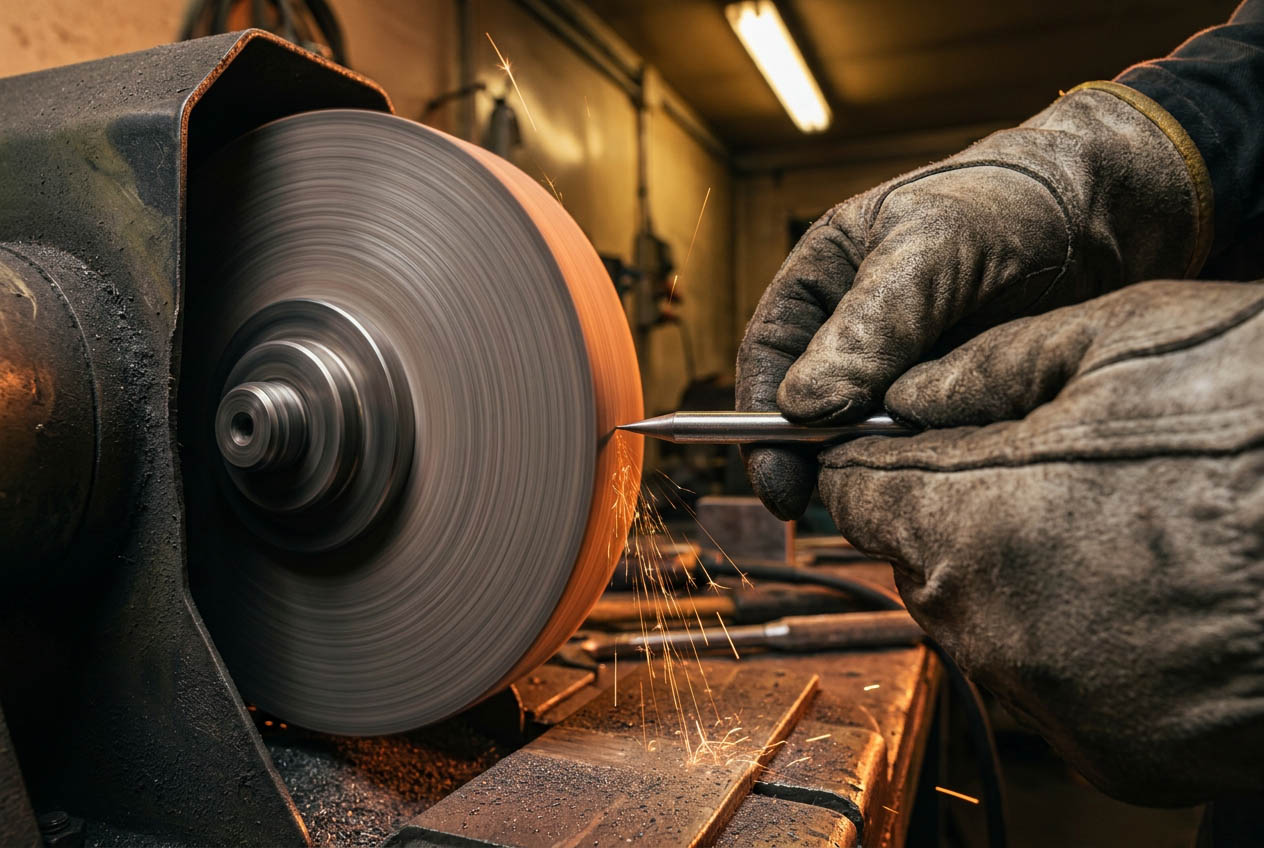
Tungsten preparation has a direct impact on consumable longevity.
Improper grinding techniques can create uneven arc characteristics, increase heat concentration, and accelerate electrode wear.
Best practices include:
Grind longitudinally rather than circumferentially
Use dedicated grinding equipment
Maintain consistent tip geometry
Avoid contaminating the tungsten surface
A properly prepared electrode produces a stable arc and experiences less wear over time.
3. Prevent Tungsten Contamination
Tungsten contamination remains one of the leading causes of shortened TIG consumable life.
Contamination occurs when the tungsten touches:
Molten weld pools
Filler wire
Base material
Foreign particles
When contamination occurs, weld quality declines and the electrode often requires regrinding or replacement.
To minimize contamination:
Maintain proper arc length
Use steady torch control
Position filler wire correctly
Keep work surfaces clean
Reducing contamination can dramatically increase electrode lifespan.
4. Optimize Shielding Gas Flow
Many welders assume higher gas flow rates provide better protection. In reality, excessive gas flow can create turbulence that draws atmospheric contaminants into the weld zone.
Improper shielding gas settings often result in:
Oxidation
Tungsten degradation
Poor weld appearance
Increased consumable wear
Optimal gas flow rates depend on:
Cup size
Joint design
Welding position
Environmental conditions
Using the correct gas flow ensures proper protection while minimizing unnecessary consumable wear.
5. Use High-Quality Gas Lenses
Gas lenses are among the most effective upgrades for extending TIG torch consumable life.
Compared with standard collet bodies, gas lenses produce smoother shielding gas coverage and improve protection around the tungsten electrode.
Benefits include:
Reduced oxidation
Improved arc stability
Longer tungsten life
Better weld appearance
Increased electrode stick-out capability
For critical welding applications, gas lenses often provide significant improvements in consumable longevity.
6. Avoid Excessive Heat Buildup
Heat is one of the primary factors affecting consumable lifespan.
Operating beyond the torch's rated capacity can damage:
Ceramic cups
Collets
Collet bodies
Torch insulators
Back caps
To reduce heat-related wear:
Follow recommended amperage limits
Allow adequate cooling intervals
Use appropriate duty cycles
Select the correct torch size
Proper thermal management can substantially increase consumable service life.
7. Keep Consumables Clean
Even minor contamination can affect TIG welding performance.
Dust, grinding residue, oil, and metal particles can interfere with gas flow and accelerate wear.
Regular cleaning should include:
Ceramic cups
Gas lenses
Collet bodies
Torch heads
Electrode surfaces
A clean torch assembly operates more efficiently and helps maintain consistent weld quality.
8. Inspect Consumables Regularly
Routine inspections help identify wear before it leads to performance issues.
During inspections, check for:
Cracked ceramic cups
Deformed collets
Blocked gas lenses
Damaged threads
Worn electrical contact surfaces
Replacing minor worn components before failure often prevents larger maintenance issues and extends overall torch life.
9. Store Consumables Properly
Improper storage can shorten consumable lifespan before they are even installed.
Consumables should be stored in:
Clean environments
Dry conditions
Protective containers
Organized storage systems
Proper storage prevents contamination, corrosion, and accidental damage.
10. Choose Durable TIG Torch Components
Not all consumables are manufactured to the same standards.
High-quality consumables often provide:
Better material consistency
Improved heat resistance
Enhanced dimensional accuracy
Longer service life
More stable welding performance
For industrial users, investing in durable consumables often results in lower overall operating costs despite a higher initial purchase price.
Common Mistakes That Shorten TIG Torch Consumable Life
Many consumable failures result from avoidable operator mistakes.
Common examples include:
Mistake | Impact |
|---|---|
Excessive amperage | Accelerated wear |
Poor shielding gas coverage | Oxidation and contamination |
Incorrect tungsten size | Reduced lifespan |
Dirty work surfaces | Contamination |
Improper storage | Corrosion and damage |
Infrequent inspections | Unexpected failures |
Using damaged components | Reduced welding quality |
Avoiding these mistakes can significantly improve consumable longevity.
Benefits of Extending TIG Torch Consumable Life
Extending consumable lifespan provides measurable benefits across welding operations.
Reduced Operating Costs
Fewer replacements reduce consumable purchasing expenses.
Increased Productivity
Less downtime means more time spent welding and less time performing maintenance.
Improved Weld Quality
Consistent consumable performance supports stable arc characteristics and better weld appearance.
Enhanced Equipment Reliability
Proper maintenance reduces unexpected interruptions and improves operational efficiency.
Better Return on Investment
Longer-lasting consumables contribute to lower total welding costs.
Why Manufacturers and Distributors Focus on Consumable Longevity
For welding equipment manufacturers, distributors, and industrial users, consumable longevity has become a key purchasing consideration.
Customers increasingly seek:
Lower maintenance requirements
Longer service intervals
Improved durability
Stable welding performance
Reduced production costs
As welding operations continue to focus on efficiency and cost control, consumable lifespan remains an important factor influencing purchasing decisions.
Conclusion
Understanding how to extend TIG torch consumable life is essential for improving welding efficiency, reducing operating costs, and maintaining consistent weld quality. Proper tungsten selection, contamination prevention, optimized shielding gas settings, routine maintenance, and high-quality consumables all contribute to longer service life.
By implementing preventive maintenance practices and selecting reliable TIG torch components, welding professionals can significantly reduce downtime while achieving better welding performance. For manufacturers, distributors, and industrial fabricators, extending consumable lifespan is one of the most effective ways to improve productivity and maximize long-term value.
FAQs
How often should TIG torch consumables be replaced?
Replacement frequency depends on welding current, duty cycle, material type, and maintenance practices. Regular inspection is the best way to determine replacement intervals.
What causes tungsten electrodes to wear out quickly?
Common causes include excessive amperage, contamination, improper grinding, poor shielding gas coverage, and incorrect electrode selection.
Do gas lenses help extend TIG torch consumable life?
Yes. Gas lenses improve shielding gas coverage, reduce oxidation, and often increase tungsten electrode lifespan.
Can improper gas flow damage TIG consumables?
Yes. Both insufficient and excessive gas flow can create contamination issues that shorten consumable life.
What is the most important factor in extending TIG torch consumable life?
Preventing tungsten contamination through proper welding technique and maintaining clean, properly assembled consumables is often the most effective strategy.
Related Articles

Robotic Welding Torch Applications: Industries, Benefits, And How To Choose The Right Solution
Robotic welding torch applications are transforming modern manufacturing by improving welding consistency, productivity, and automation efficiency. This guide explains how robotic welding torches are used across industries such as automotive, heavy equipment, structural steel, shipbuilding, and pressure vessel fabrication. It also covers torch types, cooling methods, key components, selection criteria, maintenance best practices, OEM customization, and future automation trends. Whether you are a manufacturer, distributor, or system integrator, choosing the right robotic welding torch can significantly enhance production quality, reduce downtime, and lower long-term operating costs.

Why Fume Extraction Welding Guns Are Essential for Sustainable Welding Operations
This article on Eco-Fume Extraction Solutions explores how fume extraction welding guns improve workplace air quality, reduce hazardous welding fumes, and support sustainable manufacturing. It highlights key applications, environmental benefits, and safety advantages across industries such as automotive, fabrication, and heavy equipment production, helping manufacturers achieve cleaner, safer, and more efficient welding operations.

How To Extend TIG Torch Consumable Life Introduction
Proper TIG torch consumable maintenance is essential for reducing welding costs, improving productivity, and ensuring consistent weld quality. By selecting the correct tungsten electrode, preventing contamination, optimizing shielding gas flow, using high-quality gas lenses, and performing regular inspections, welders can significantly extend TIG torch consumable life. These best practices help reduce downtime, improve arc stability, and maximize the performance of TIG welding equipment in industrial, fabrication, and manufacturing applications.
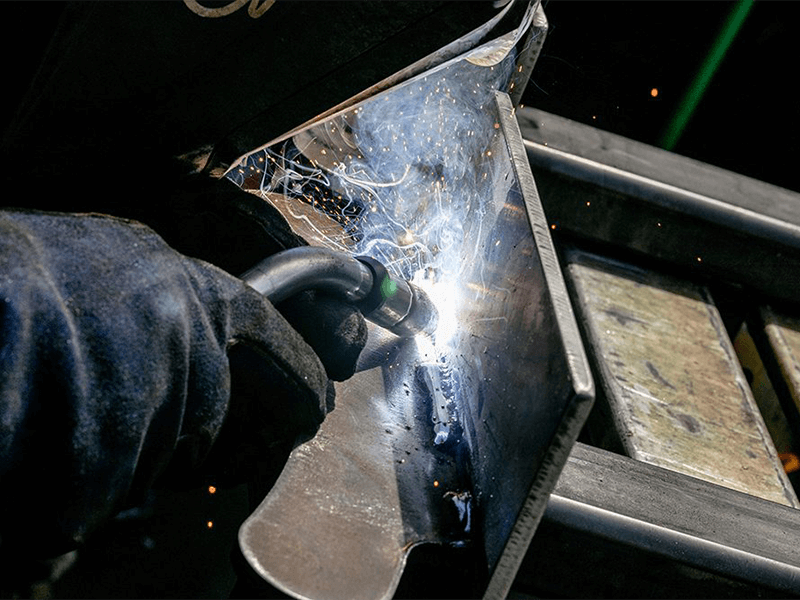
Best Basic Welds
I find fillet welding to be one of the most practical welding methods, widely used for joining parts of metal at right angles. "Fillet welds also play an important role in the construction of bridges, ships, and various frames," Hicks said. Fillet welds are often the best choice to ensure the necess
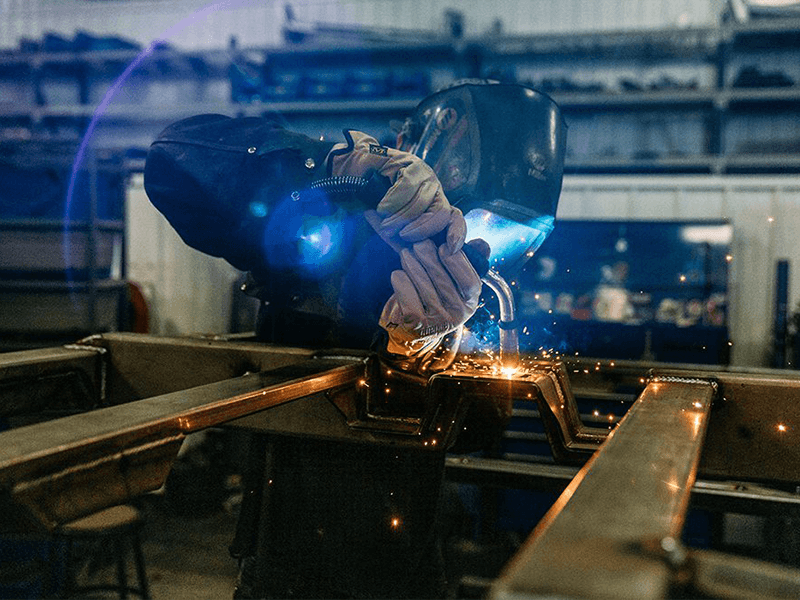
Are Cheap Gasless MIG Welders Any Good
Features of Cheap Gasless MIG WeldersWire Feed SpeedWire feed speed is crucial for cheap gasless MIG welders. Lower-priced models offer a wire feed speed range of 40-500 or 600 inches per minute. This still allows for adjustments based on weld thickness. Higher-end models have more precise controls
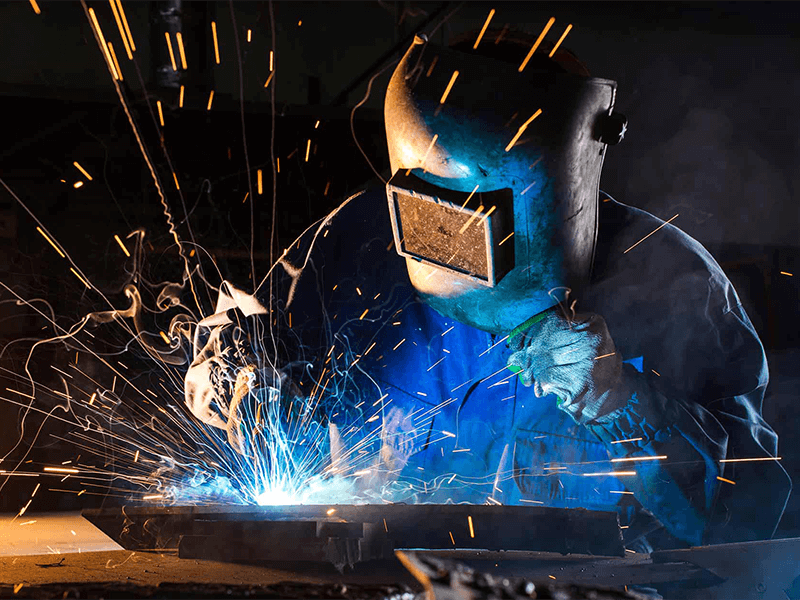
The 5 Parameters of Welding
The five key welding parameters are current (40-200 amps), voltage (18-29 volts), travel speed (8-18 inches per minute), electrode type (e.g. E6013, E7018), and shielding gas mixture (e.g. 75% argon, 25% CO2). Table of Contents Switch Current Voltage Travel Speed Electrode Type and Size Shielding Ga