



Introduction
As manufacturing continues to embrace automation, robotic welding torches have become essential tools for improving productivity, welding consistency, and production efficiency. From automotive assembly lines to heavy equipment manufacturing, robotic welding systems are transforming the way metal components are joined. Companies are increasingly investing in automated welding solutions to reduce labor costs, improve weld quality, and meet growing production demands while maintaining strict quality standards.
Unlike manual welding, robotic welding delivers highly repeatable welds with minimal variation. Once the welding program is optimized, a robotic system can perform the same weld thousands of times with consistent penetration, bead appearance, and travel speed. This consistency is particularly valuable in industries where precision and repeatability directly affect product quality and customer satisfaction.
At the center of every robotic welding system is the robotic welding torch. It is responsible for delivering electrical current, shielding gas, and filler wire to the welding joint while operating under demanding industrial conditions. A high-quality robotic welding torch must withstand continuous production cycles, elevated temperatures, repetitive motion, and harsh manufacturing environments without compromising welding performance.
This guide explores the most common robotic welding torch applications, the industries that benefit from welding automation, the advantages of robotic welding, selection criteria, maintenance practices, and OEM customization options. Whether you are an equipment manufacturer, welding distributor, system integrator, or industrial end user, understanding how robotic welding torches contribute to production efficiency can help you choose the right solution for your business.
What Is a Robotic Welding Torch?
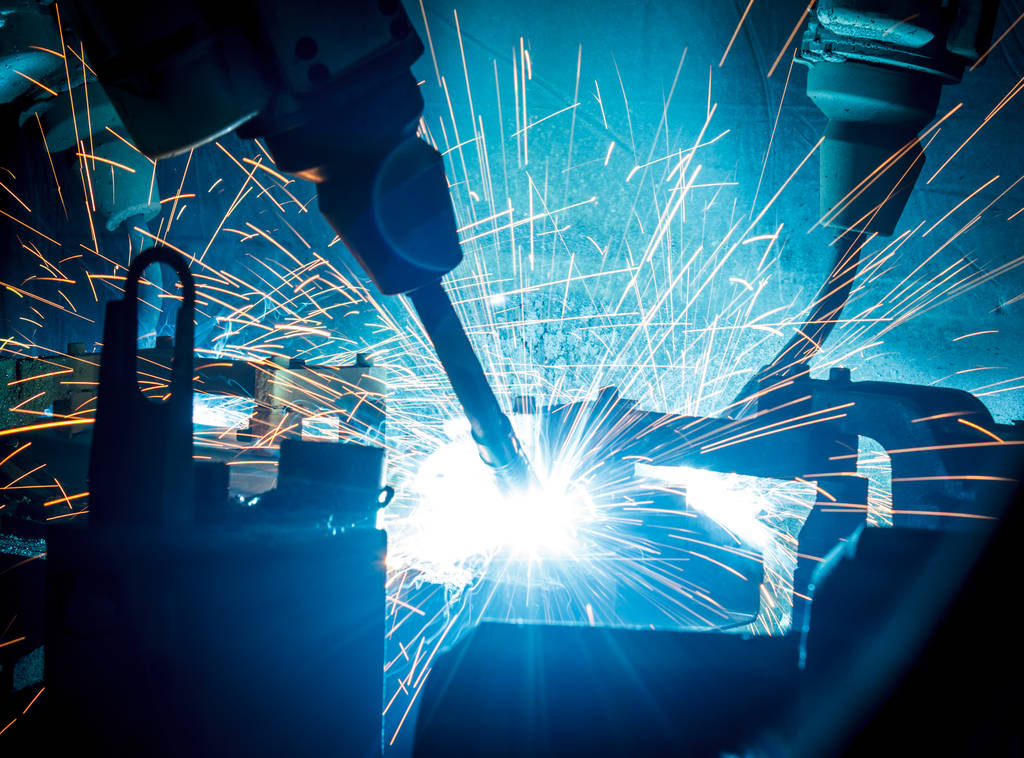
A robotic welding torch is a specialized welding tool designed to be mounted on an industrial robot for automated welding operations. Unlike manual welding torches, robotic torches are engineered to withstand continuous movement, high-duty cycles, and automated production environments while maintaining precise weld quality.
A robotic welding torch typically consists of:
Torch neck
Contact tip
Gas nozzle
Tip holder
Diffuser
Wire liner
Cable assembly
Protective housing
Collision-resistant mounting components
Each component is designed to ensure stable wire feeding, efficient shielding gas coverage, and consistent electrical conductivity throughout the welding process.
Modern robotic welding torches are commonly used in MIG/MAG welding automation, where productivity and repeatability are critical. Their compact design allows robots to access complex joints while maintaining optimal welding angles and travel speeds.
Why Robotic Welding Is Growing Worldwide
The global manufacturing industry is moving toward automation to improve competitiveness. Labor shortages, rising production costs, and increasing quality requirements are driving companies to adopt robotic welding technologies.
Robotic welding offers several significant advantages over manual welding:
Higher production output
Consistent weld quality
Reduced operator fatigue
Improved workplace safety
Lower production costs
Better process repeatability
Reduced material waste
Higher equipment utilization
Manufacturers also benefit from shorter production cycles and improved product consistency, making robotic welding a valuable investment for both high-volume and precision fabrication.
As industries continue to modernize, robotic welding torches play an increasingly important role in helping manufacturers achieve greater efficiency and maintain consistent welding performance.
Key Applications of Robotic Welding Torches
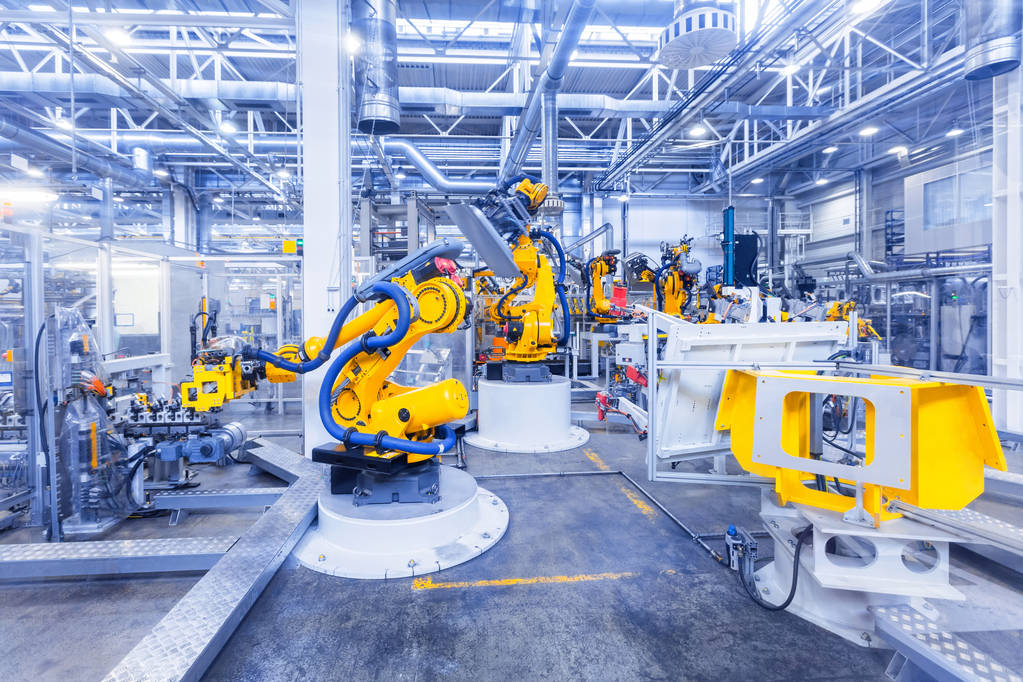
Robotic welding torches are used across a wide variety of industries where repetitive, high-quality welding is required. Their ability to operate continuously with minimal variation makes them ideal for automated production lines.
Automotive Manufacturing
The automotive industry is one of the largest users of robotic welding technology. Vehicle frames, chassis components, suspension systems, exhaust assemblies, seat structures, and body panels all require precise and repeatable welding.
Robotic welding torches help manufacturers maintain consistent weld quality while supporting high-volume production schedules. Automated welding also reduces cycle times and improves worker safety by minimizing exposure to welding fumes and heat.
Because automotive production demands exceptional consistency, robotic welding systems are widely integrated into assembly lines to ensure each weld meets strict quality standards.
Construction Machinery
Manufacturers of excavators, loaders, cranes, agricultural equipment, and mining machinery frequently weld thick steel components that require deep penetration and excellent structural integrity.
Robotic welding torches provide stable arc performance during long production cycles, making them well suited for fabricating heavy-duty equipment. Their durability and high-duty-cycle capability help reduce downtime while maintaining productivity.
Automation also enables manufacturers to produce large welded structures with greater dimensional consistency than manual welding alone.
Structural Steel Fabrication
Steel fabrication companies increasingly rely on robotic welding to manufacture beams, columns, frames, and structural assemblies.
Robotic welding torches allow fabricators to achieve consistent weld quality while improving throughput on repetitive production jobs. Automated welding minimizes variation between components and reduces the need for post-weld repairs.
For projects requiring large production volumes, robotic welding contributes to shorter lead times and more efficient resource utilization.
Shipbuilding and Marine Engineering
Shipbuilding involves welding extensive lengths of steel plate under demanding production conditions. Robotic welding torches improve welding consistency on repetitive joints while helping shipyards increase productivity.
Automated welding systems are commonly used to fabricate hull sections, deck structures, internal reinforcements, and prefabricated modules. By reducing manual welding on repetitive tasks, manufacturers can improve quality while lowering labor intensity.
Pressure Vessel and Tank Manufacturing
Pressure vessels, storage tanks, and industrial containers require strong, defect-free welds capable of meeting strict quality and safety standards.
Robotic welding torches help maintain uniform penetration and bead appearance throughout long circumferential and longitudinal welds. Consistent welding parameters also simplify quality inspection and reduce rework rates.
For manufacturers operating under demanding production schedules, robotic welding provides an efficient method for producing repeatable, high-quality welds.
Benefits of Robotic Welding Torches
Selecting a high-quality robotic welding torch delivers advantages that extend beyond welding performance alone. It contributes to improved productivity, lower operating costs, and greater manufacturing efficiency.
Benefit | Business Value |
|---|---|
Consistent Arc Stability | Produces repeatable weld quality |
High Duty Cycle | Supports continuous industrial production |
Reduced Downtime | Improves production efficiency |
Precise Wire Feeding | Enhances weld consistency |
Longer Consumable Life | Lowers maintenance costs |
Better Cooling Performance | Increases torch durability |
Improved Robot Accuracy | Supports precise automated welding |
Lower Overall Production Cost | Improves return on investment |
These benefits explain why robotic welding continues to expand across industries where productivity and quality are critical to long-term success.
Types of Robotic Welding Torches
Not all robotic welding torches are designed for the same production environment. The right torch depends on welding current, duty cycle, robot model, workpiece geometry, and production volume. Selecting the appropriate torch configuration improves welding quality, minimizes downtime, and extends the service life of consumables.
Modern robotic welding torches are engineered to deliver stable arc performance while supporting continuous automated production. Manufacturers can choose from different cooling systems, neck designs, cable configurations, and mounting options based on their specific applications.
Understanding these options helps manufacturers optimize both welding efficiency and return on investment.

Air-Cooled vs. Water-Cooled Robotic Welding Torches
One of the first decisions when selecting a robotic welding torch is choosing between an air-cooled or water-cooled system. Each offers distinct advantages depending on the production environment.
Feature | Air-Cooled Robotic Torch | Water-Cooled Robotic Torch |
|---|---|---|
Cooling Method | Ambient air | Circulating coolant |
Recommended Duty Cycle | Light to medium | Medium to heavy continuous production |
Operating Temperature | Higher | Lower |
Maintenance | Simple | Requires coolant system maintenance |
Initial Investment | Lower | Higher |
Production Efficiency | Moderate | Excellent |
Consumable Life | Standard | Longer under high-load operation |
Best Applications | General fabrication | High-volume automated welding |
Air-cooled robotic welding torches are suitable for applications with moderate welding cycles and lower current requirements. They are easier to install, require less maintenance, and are often selected for flexible manufacturing cells.
Water-cooled robotic welding torches, on the other hand, are designed for continuous industrial production. By removing heat more efficiently, they maintain a lower operating temperature, reduce thermal stress on consumables, and improve overall production stability.
For manufacturers operating multiple shifts or high-amperage welding processes, water-cooled systems often provide a better long-term investment due to increased reliability and reduced consumable replacement costs.

Robotic Welding Torch Components Explained
Each component of a robotic welding torch contributes to stable arc performance and efficient wire delivery. Proper maintenance of these parts is essential for achieving consistent weld quality.
Contact Tip
The contact tip transfers welding current to the filler wire. A worn contact tip may cause unstable wire feeding, poor electrical conductivity, and inconsistent arc characteristics.
Regular inspection helps prevent excessive spatter and wire burnback.
Gas Nozzle
The gas nozzle directs shielding gas around the weld pool to protect it from atmospheric contamination.
A damaged or clogged nozzle may reduce shielding efficiency, leading to porosity, oxidation, and inconsistent weld appearance.
Cleaning the nozzle regularly improves gas coverage and extends consumable life.
Wire Liner
The wire liner guides the welding wire smoothly through the cable assembly.
Contaminated or worn liners increase feeding resistance, resulting in erratic wire movement and unstable arc performance.
Replacing wire liners at recommended intervals helps maintain smooth and reliable wire feeding.
Torch Neck
The torch neck determines the welding angle and accessibility.
Different neck geometries are available to accommodate complex workpieces, narrow joints, and automated welding paths.
Selecting the proper neck design allows the robot to reach difficult welding positions without sacrificing arc stability.
How to Choose the Right Robotic Welding Torch
Choosing the correct robotic welding torch requires evaluating both current production needs and future manufacturing plans. A torch that performs well today should also support increasing production demands tomorrow.
Consider Welding Current
Higher welding currents require torches capable of handling increased thermal loads.
Selecting a torch with insufficient current capacity may result in overheating, frequent maintenance, and reduced production efficiency.
Choose a torch designed for your typical operating range rather than only your minimum requirements.
Evaluate Production Volume
Production volume directly influences the choice of cooling system and torch durability.
High-volume manufacturers generally benefit from heavy-duty robotic welding torches capable of operating continuously with minimal maintenance.
Lower-volume production facilities may prioritize flexibility and reduced equipment costs.
Verify Robot Compatibility
The robotic welding torch should be compatible with the robot's mechanical interface and cable routing system.
Compatibility considerations include:
Mounting dimensions
Cable routing
Collision protection
Communication interfaces
Consumable availability
Proper integration reduces installation time and simplifies future maintenance.
Focus on Consumable Availability
Consumables represent a significant portion of long-term operating costs.
Selecting a torch with widely available, precision-manufactured consumables helps reduce downtime and maintain consistent welding performance.
Consistent consumable quality also improves weld repeatability across multiple production lines.
Common Materials Welded with Robotic Welding Torches
Robotic welding systems are capable of processing numerous metal types across different industries.
Carbon Steel
Carbon steel is the most commonly welded material in automated manufacturing.
Applications include:
Structural components
Machinery frames
Automotive parts
Construction equipment
Industrial assemblies
Robotic welding provides consistent penetration and high productivity for carbon steel fabrication.
Stainless Steel
Stainless steel requires stable shielding gas coverage and precise heat control.
Robotic welding torches help maintain consistent welding parameters, reducing discoloration and improving weld appearance.
Industries using robotic stainless steel welding include:
Food processing equipment
Pharmaceutical manufacturing
Chemical processing
Medical equipment
Commercial kitchen fabrication
Aluminum
Aluminum welding presents additional challenges because of its high thermal conductivity and oxide layer.
Robotic welding systems improve process consistency by maintaining precise travel speed, wire feed rate, and torch angle throughout the weld.
Applications include:
Automotive lightweight structures
Rail transportation
Aerospace components
Marine fabrication
Industrial enclosures
Maintenance Best Practices for Robotic Welding Torches
Preventive maintenance significantly improves torch reliability while reducing production interruptions.
A structured maintenance program should include regular inspection of both consumables and mechanical components.
Daily inspection should include:
Contact tip wear
Gas nozzle cleanliness
Wire liner condition
Torch neck damage
Cable integrity
Shielding gas connections
Weekly maintenance may include:
Cleaning spatter buildup
Checking mounting hardware
Verifying wire feeding performance
Inspecting collision protection devices
Testing electrical conductivity
Routine maintenance extends welding consumable life, improves weld consistency, and minimizes unexpected downtime.
Common Robotic Welding Torch Problems and Solutions
Although robotic welding systems are highly reliable, several issues may affect welding quality if left unresolved.
Problem | Possible Cause | Recommended Solution |
Unstable welding arc | Worn contact tip | Replace contact tip |
Excessive spatter | Incorrect welding parameters | Optimize machine settings |
Wire feeding problems | Damaged wire liner | Replace liner |
Porosity | Poor shielding gas coverage | Inspect nozzle and gas flow |
Burnback | Incorrect wire feed speed | Adjust welding parameters |
Overheating | Excessive duty cycle | Upgrade cooling system or reduce load |
Frequent collision alarms | Torch misalignment | Recalibrate robot and inspect mounting |
A systematic troubleshooting approach helps manufacturers reduce downtime while maintaining consistent production quality.
Improve Robotic Welding Efficiency
Achieving maximum productivity requires more than selecting the right welding torch. Successful automated welding combines high-quality equipment with optimized programming and disciplined maintenance.
Manufacturers can improve robotic welding efficiency by:
Using application-specific torch configurations
Optimizing welding paths
Maintaining consistent consumable replacement schedules
Monitoring shielding gas quality
Keeping wire feeding systems clean
Performing preventive maintenance
Training maintenance personnel on robotic welding systems
Continuous improvement in these areas allows manufacturers to increase production output while maintaining excellent weld quality and reducing operating costs.
OEM Customized Robotic Welding Torch Solutions
As welding automation continues to evolve, many manufacturers require more than a standard robotic welding torch. Different production lines, robot models, welding positions, and workpiece designs often require application-specific solutions. This is why OEM customized robotic welding torches have become an important choice for equipment manufacturers, welding distributors, and automation system integrators.
An experienced OEM manufacturer can develop customized torch solutions that improve compatibility, productivity, and overall welding efficiency while meeting the unique requirements of different industries.
Common OEM customization options include:
Customized torch neck angles for improved accessibility
Different cable lengths for various robotic work cells
Multiple connector configurations
Air-cooled or water-cooled designs
Heavy-duty cable assemblies
Wear-resistant protective covers
Anti-collision mounting systems
Private label branding
Custom packaging
User manuals and technical documentation
Product laser marking
Application-specific consumable configurations
Customized robotic welding torches help manufacturers standardize production while reducing installation time and maintenance costs. They also allow distributors to offer differentiated products that better serve local market requirements.
For businesses seeking long-term growth, OEM customization provides flexibility, strengthens brand identity, and creates additional value for customers.
Future Trends in Robotic Welding Torch Applications
Industrial welding automation is advancing rapidly as manufacturers pursue higher productivity, greater precision, and lower operating costs. Robotic welding torches are evolving alongside these changes, becoming smarter, more durable, and easier to integrate into automated production systems.
Several key trends are shaping the future of robotic welding.
Smart Welding Systems
Modern robotic welding cells increasingly use sensors to monitor welding performance in real time. These systems can detect changes in arc stability, wire feeding, and welding parameters, allowing operators to correct issues before they affect production quality.
Predictive maintenance also helps manufacturers replace consumables based on actual usage rather than fixed schedules, reducing unnecessary maintenance while preventing unexpected downtime.
Collaborative Manufacturing
Collaborative production environments combine robotic automation with skilled operators.
Rather than replacing workers, robotic welding systems handle repetitive and high-volume welding tasks, allowing technicians to focus on programming, inspection, maintenance, and quality control.
This approach improves productivity while creating safer and more efficient manufacturing environments.
Digital Manufacturing Integration
Industrial production is becoming increasingly connected through digital manufacturing technologies.
Robotic welding systems can now integrate with manufacturing execution systems (MES), production monitoring software, and quality management platforms to provide valuable production data.
Manufacturers gain better visibility into:
Equipment utilization
Welding cycle times
Consumable consumption
Production efficiency
Maintenance planning
Product quality
These insights support continuous improvement and more informed production decisions.
Sustainable Manufacturing
Energy efficiency and waste reduction have become priorities across modern manufacturing.
Robotic welding torches contribute to sustainable production by improving weld consistency, reducing material waste, extending consumable life, and lowering rework rates.
More efficient welding processes help manufacturers reduce energy consumption while supporting environmental objectives.
Why Choosing the Right Robotic Welding Torch Manufacturer Matters
Selecting the right robotic welding torch is only part of the decision. Choosing a reliable manufacturing partner is equally important for ensuring long-term production success.
A professional manufacturer should provide:
Consistent Product Quality
Reliable manufacturing processes ensure every torch delivers consistent performance across multiple production batches.
Stable quality improves customer confidence and reduces warranty claims.
Strong Manufacturing Capacity
Manufacturers with modern production facilities and efficient quality control systems can better support large-volume orders while maintaining consistent lead times.
This is especially important for distributors and OEM customers serving global markets.
Technical Engineering Support
Professional engineering teams can assist customers with:
Product selection
Application recommendations
OEM customization
Technical documentation
Installation guidance
After-sales support
Technical collaboration helps customers optimize welding performance while shortening project development cycles.
Continuous Product Innovation
Manufacturing technology continues to evolve, making innovation essential.
A manufacturer committed to research and development can introduce improved torch designs, enhanced cooling systems, and more durable consumables that help customers remain competitive in rapidly changing markets.
Best Practices for Maximizing Robotic Welding Performance
Selecting a high-quality robotic welding torch is only the first step. Long-term success depends on implementing effective operating practices throughout the production process.
Manufacturers should focus on the following areas:
Replace consumables before excessive wear affects weld quality.
Keep shielding gas systems clean and leak-free.
Monitor wire feeding performance regularly.
Inspect cable assemblies for wear or damage.
Verify robot calibration after maintenance.
Maintain consistent welding parameters across production lines.
Train operators and maintenance personnel on preventive maintenance procedures.
Schedule routine equipment inspections to minimize unexpected downtime.
These best practices help maximize equipment life while ensuring consistent welding quality and production efficiency.
Conclusion
Robotic welding torch applications continue to expand as manufacturers seek greater productivity, higher weld quality, and more efficient production processes. From automotive manufacturing and heavy equipment fabrication to shipbuilding, structural steel, pressure vessels, and industrial machinery, robotic welding has become a key technology for modern metal fabrication.
Selecting the right robotic welding torch requires careful evaluation of production volume, cooling method, welding current, robot compatibility, and consumable management. Equally important is partnering with an experienced manufacturer capable of providing reliable products, technical support, and OEM customization tailored to specific production requirements.
As automation technologies continue to advance, robotic welding torches will play an increasingly important role in improving manufacturing efficiency, reducing operating costs, and supporting consistent, high-quality welding across a wide range of industrial applications. Companies that invest in well-designed robotic welding solutions today will be better positioned to meet future production challenges while remaining competitive in the global manufacturing market.
Frequently Asked Questions
1. What industries use robotic welding torches?
Robotic welding torches are widely used in automotive manufacturing, construction machinery, shipbuilding, structural steel fabrication, pressure vessel production, rail transportation, agricultural equipment, and industrial machinery manufacturing.
2. What are the advantages of robotic welding compared with manual welding?
Robotic welding offers higher productivity, consistent weld quality, improved repeatability, lower labor costs, enhanced workplace safety, reduced material waste, and greater efficiency during high-volume production.
3. How do I choose the right robotic welding torch?
When selecting a robotic welding torch, consider welding current, duty cycle, cooling method, robot compatibility, workpiece design, consumable availability, maintenance requirements, and production volume.
4. How often should robotic welding torch consumables be replaced?
Replacement intervals depend on welding current, production volume, material type, and operating conditions. Regular inspection is recommended, and consumables should be replaced before wear negatively affects weld quality or productivity.
5. Can robotic welding torches be customized for OEM projects?
Yes. Professional manufacturers can provide OEM customization, including custom torch necks, cable lengths, connector types, cooling systems, private labeling, packaging, and application-specific configurations to meet different industrial requirements.